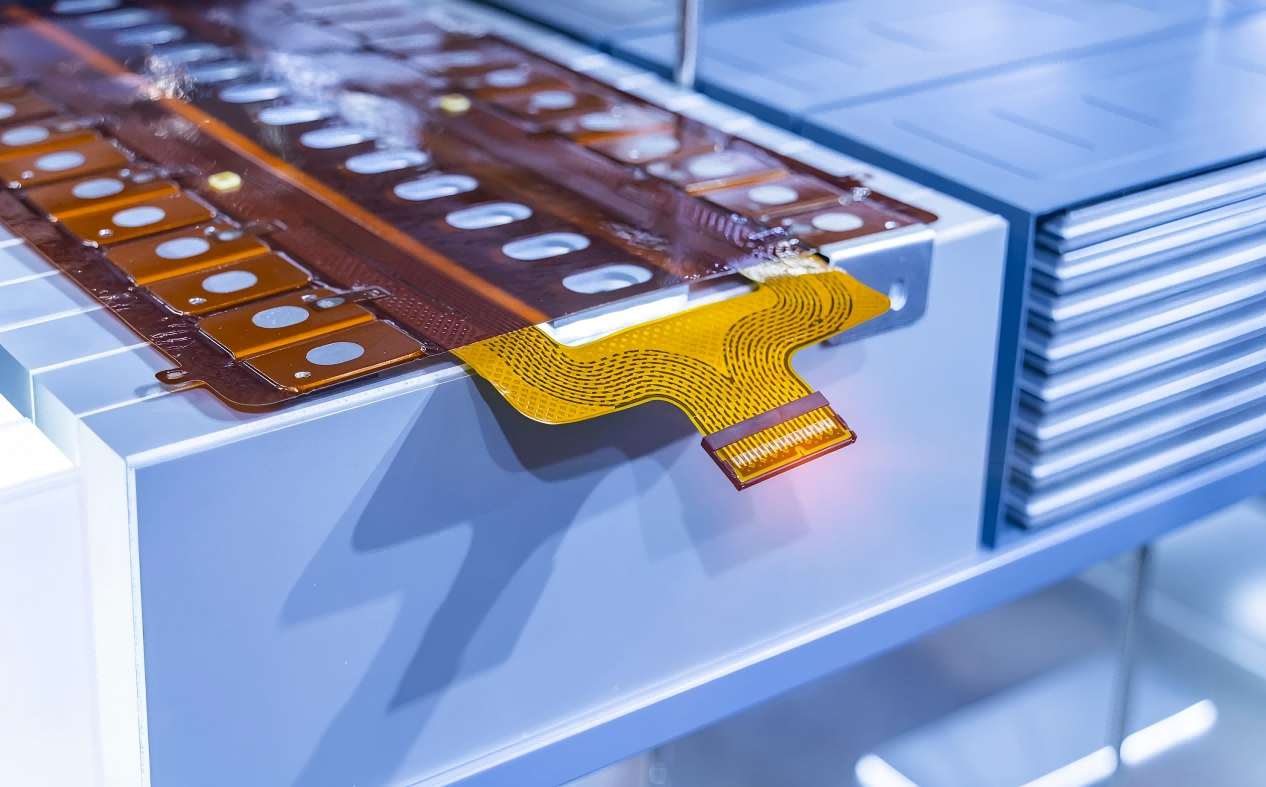
With the growing global demand for efficient energy storage, lithium batteries have become the dominant technology powering everything from electric vehicles to grid-scale storage solutions. As an efficient heat transfer medium, heat transfer fluids play an indispensable role in multiple key manufacturing processes.
I. The Importance of Temperature Control in Lithium Battery Production
Processes such as electrode coating, drying, and curing in lithium battery manufacturing are extremely sensitive to temperature fluctuations. A deviation exceeding ±2°C can lead to uneven coating or insufficient drying, adversely affecting the battery's electrochemical performance, safety, and cycle life. Particularly in modern high-speed coating production lines, where electrode drying speeds can reach up to 80 meters per minute, the requirements for precision and stability in temperature control are more stringent than ever.

II.The Differences between Traditional Heat Transfer Oils and Synthetic Heat Transfer Oils
Traditional mineral-based heat transfer fluids are prone to coking and carbon deposition under high-temperature conditions, leading to reduced heat transfer efficiency and potential equipment corrosion or pipeline blockage. These issues can result in production interruptions, accelerated equipment wear, and inconsistent product quality.
In contrast, high-performance synthetic heat transfer fluids (such as specialized alkylbenzene compounds) significantly enhance the production process through the following advantages:
- Excellent thermal stability and oxidation resistance, suitable for a wide temperature range.
- Low pour point (as low as -45°C), ensuring reliable performance during low-temperature startup.
- Extended service life, capable of continuous operation for over 10,000 hours.
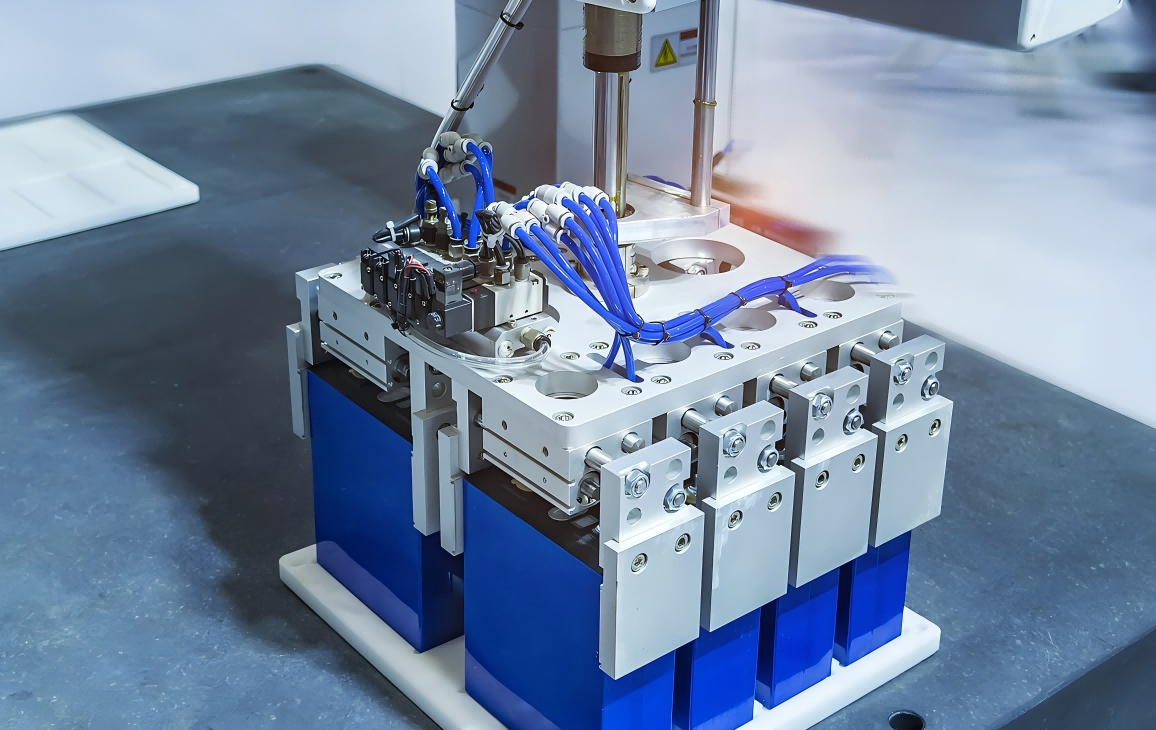
III. Specific Applications of Synthetic HTFs in Lithium Battery Production
1. Electrode Drying Process:
The temperature is steadily maintained between 80-150°C through heat exchange systems, ensuring temperature variation within the oven is ≤1°C to prevent electrode curling or cracking.
2.Cell Hot Pressing:
Uniform heating within the 50-120°C range, combined with 10-30MPa pressure, increases hot pressing efficiency by more than 20% while preventing separator deformation.
3.Formation Process:
This process achieves gradient temperature control through "25-40°C pre-charging → 40-60°C reaction → 60-85°C aging," ensuring stable SEI film formation.
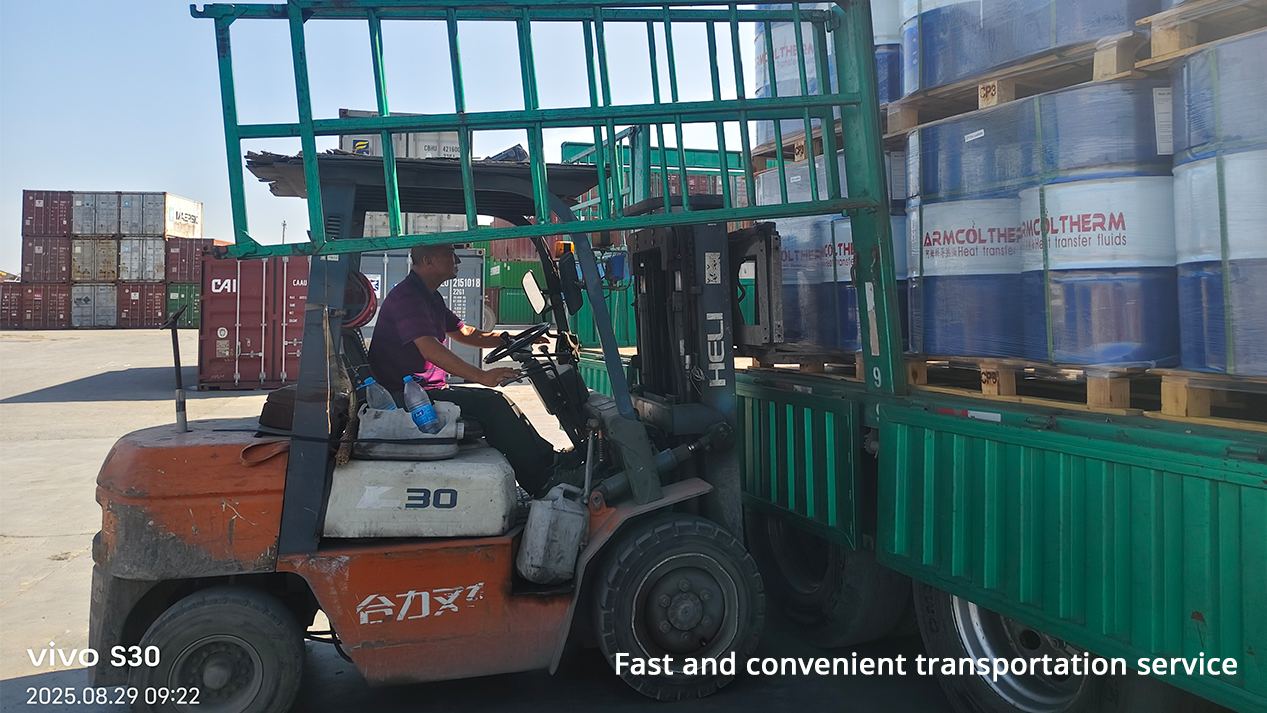
We produce high-performance synthetic heat transfer fluids for the lithium battery industry. Armcoltherm 650 (-60°C to 340°C) offers exceptional temperature control accuracy and thermal stability, significantly enhancing production efficiency. It is also suitable for use in new energy-related sectors such as organic Rankine cycle (ORC), biomass, and waste heat recovery.
As lithium battery technology advances toward higher energy density and faster charging capabilities, the requirements for thermal management are becoming increasingly demanding. Industry leaders are investing in the research and development of next-generation heat transfer fluids to meet these evolving needs.