Temperature control is the core of ensuring the quality and safety of pharmaceuticals in pharmaceutical processing.The chemical properties of the drug are unstable. Temperature fluctuations may trigger component reactions, affecting efficacy, stability and safety.
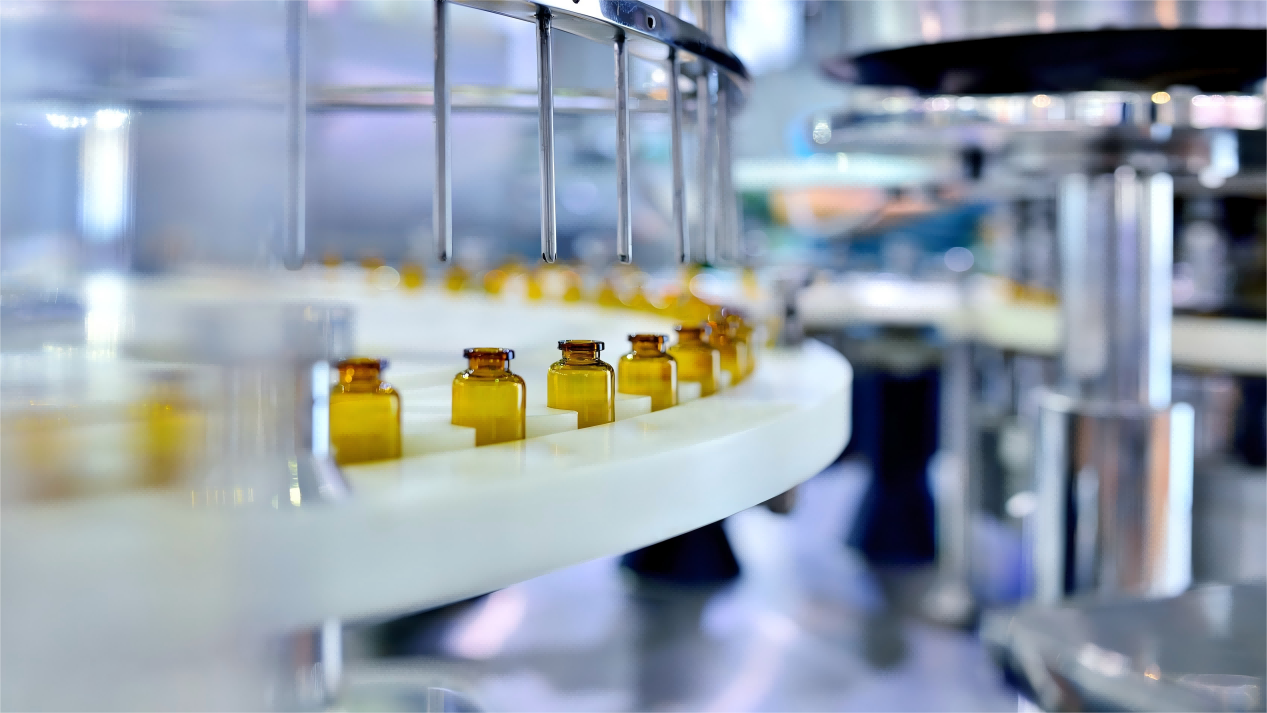
Low-Temperature heat transfer fluids can meet the stringent requirements of integrating heating, cooling, and freezing processes in pharmaceutical production. By establishing and maintaining a stable low-temperature environment, they provide precise temperature control support for chemical reactions.
Taking the production of pharmaceutical intermediates heat transfer fluid as an example, within the temperature range of -20°C to 0°C, they can effectively improve reaction selectivity and yield, and significantly reduce the occurrence of side reactions.

Armcoltherm LD (-94°C~230°C) has excellent low-temperature fluidity, strong chemical stability,and high safety. It can achieve precise and efficient temperature control, making it suitable for industries such as pharmaceuticals, fine chemicals, and high and low-temperature integrated machines. Additionally, it holds NSF HT1 food grade certification, enabling its use in heating/cooling parts that occasionally come into contact with food.
In addition, heat transfer oil can ensure uniform temperature distribution in the equipment, eliminate local temperature differences, and provide a solid guarantee for the stability of the reaction process.

Selecting the right thermal conductive fluid
To adapt to all necessary processing steps, the heat transfer fluid used in pharmaceutical processing must have a wide operating temperature range and excellent chemical stability to avoid reacting with raw materials and affecting drug quality.

Choosing the appropriate fluid can also significantly improve the operating efficiency of the system and extend the service life of the fluid and the overall life of the system.