
Steam boilers appeared earlier and have been used by people. They are widely used for drying and heating in many industries such as petroleum, chemical, oil, papermaking, wood-based panels, wood, food, rubber, etc. For many years, the role of steam boilers cannot be ignored, let alone underestimated. However, due to different global environmental conditions and relatively high demand and requirements for water by steam boilers, they have their limitations. Many years later, people studied the relationship between atmospheric pressure and the boiling points of various liquids such as water and oil, and invented thermal oil boilers, using the high temperature and low pressure of thermal oil to replace steam boilers. Compared with steam boilers, thermal oil boilers can obtain higher operating temperatures at lower pressures to meet the needs of industrial production; liquid phase transportation, when the heat carrier is less than 300 degrees, is 70-80 times smaller than the saturated steam pressure of water, and does not freeze in cold areas; it can replace steam boilers with water as the medium in water-scarce areas for heating, and has high thermal utilization. In general, steam boilers have strong advantages when replaced by thermal oil boilers.
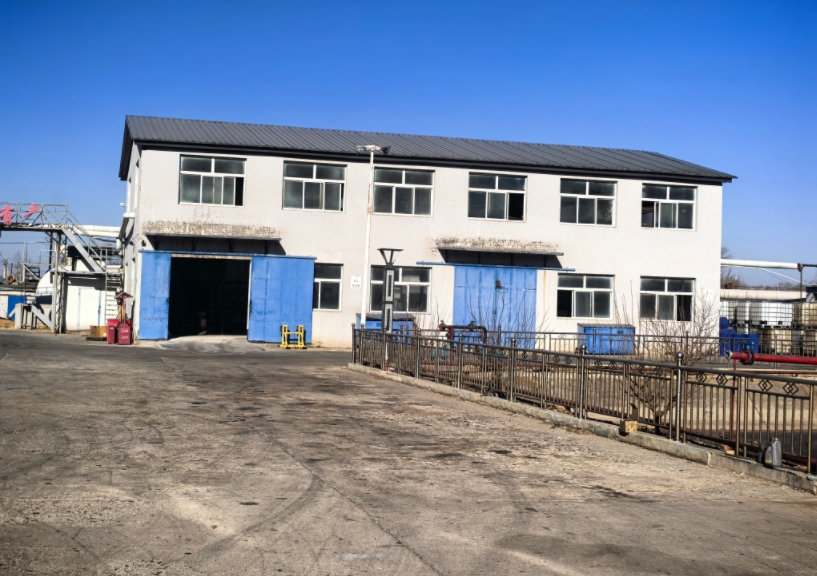
Steam boiler
The heating equipment (burner) releases heat, which is first absorbed by the water-cooled wall through radiation heat transfer. The water in the water-cooled wall boils and vaporizes, generating a large amount of steam that enters the steam drum for steam-water separation (except for direct current furnaces). The separated saturated steam enters the superheater, and continues to absorb the flue gas heat from the top of the furnace, the horizontal flue, and the tail flue through radiation and convection, and makes the superheated steam reach the required working temperature. Power generation boilers are usually also equipped with reheaters, which are used to heat the steam after the high-pressure cylinder has done work. The reheated steam from the reheater goes to the medium and low-pressure cylinders to continue to do work and generate electricity.
Steam boilers can be divided into electric steam boilers, oil steam boilers, gas steam boilers, etc. according to fuel; according to structure, they can be divided into vertical steam boilers and horizontal steam boilers. Small steam boilers are mostly single- and double-return vertical structures, and large steam boilers are mostly three-return horizontal structures.
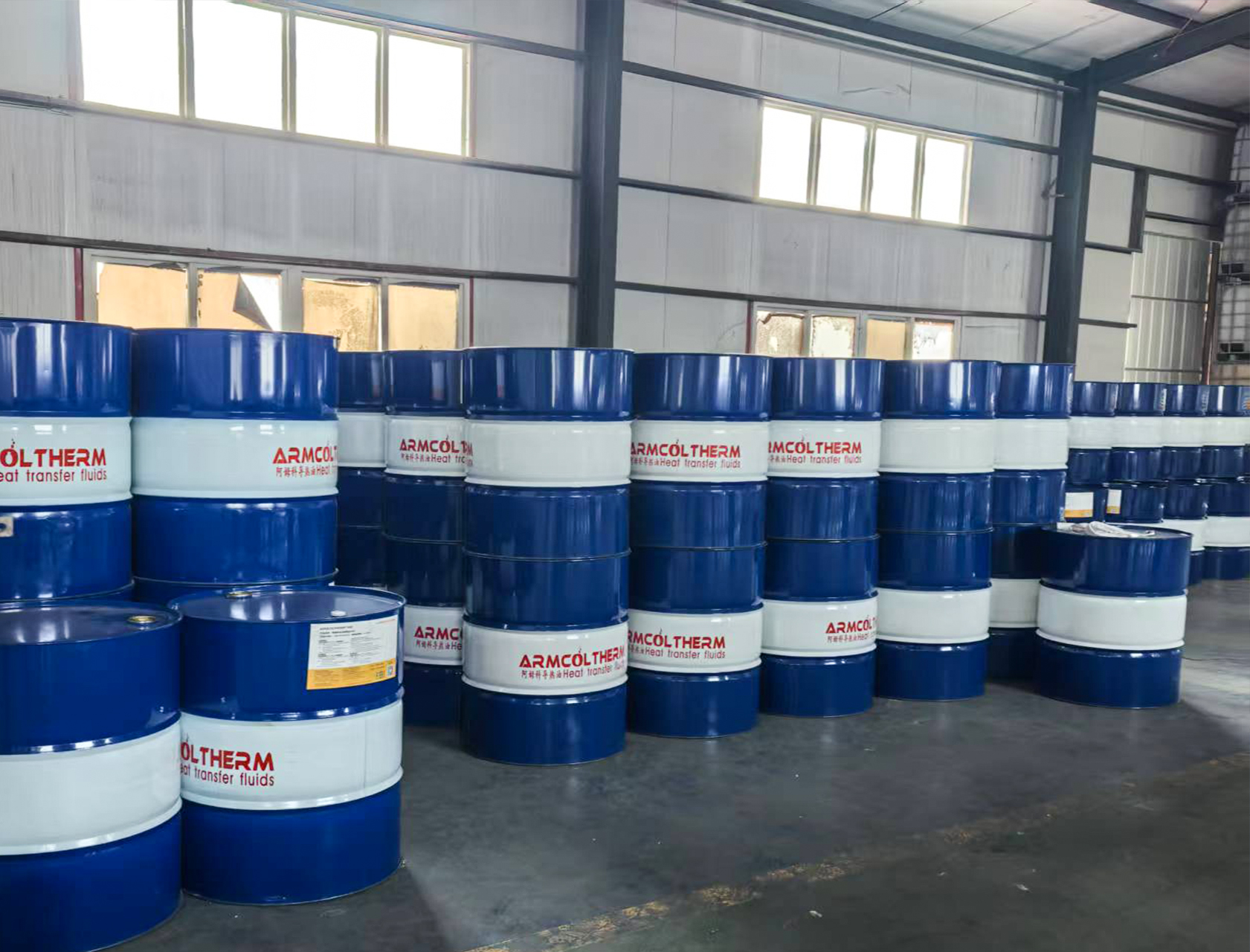
Heat transfer oil furnace
Heat transfer oil, also known as organic heat carrier or heat medium oil, has been used as an intermediate heat transfer medium in industrial heat exchange processes for more than 50 years. Thermal oil furnace belongs to organic heat carrier furnace. Organic heat carrier furnace is a kind of high-efficiency and energy-saving heating equipment developed by our company's technicians based on the absorption of domestic and foreign organic heat carrier furnace technology. It uses coal as heat source and thermal oil as heat carrier. It transfers heat to heat-using equipment through forced circulation of hot oil pump.
Compared with steam heating, thermal oil heating has the advantages of uniform heating, simple operation, safety and environmental protection, energy saving, high temperature control accuracy and low operating pressure. It has been widely used as a heat transfer medium in modern industrial production.